Technology Articles

Proper minor adjustments are key to ensuring a precision leveler performs well. Here’s how to do it based on sheet conditions: Feed the sheet into
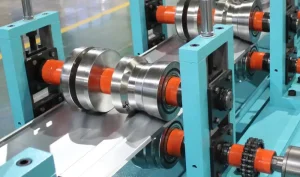
A precision leveler has two main components: the frame and the rollers. Frame: As the machine’s main body, it consists of a base, columns, and
Classification by cross-sectional width (main specification) This is the core size parameter of T-keels, directly determining load-bearing capacity and applicable scenarios. Common specifications include: T15:
The transmission system of a cold roll forming machine must meet requirements such as high synchronization, stable torque output, and adaptability to continuous production. The
Cold roll forming equipment has a wide range of applications across various industries due to its ability to efficiently produce consistent, high-quality metal profiles with
The characteristics of cold roll forming machines in northern, central, and southern China are closely related to the regional industrial demands, climatic conditions, raw material
Follow these steps to properly maintain the leveler and extend its service life: Clean the area around the equipment and tidy the workspace daily. Tighten